
WEBINAR
When science gets lost in translation: Why your CSM matters more than you think
Friday 5th June at 12:30pm
About this Webinar
We are so excited to once again be joined by Allison Reynolds from JBS&G.
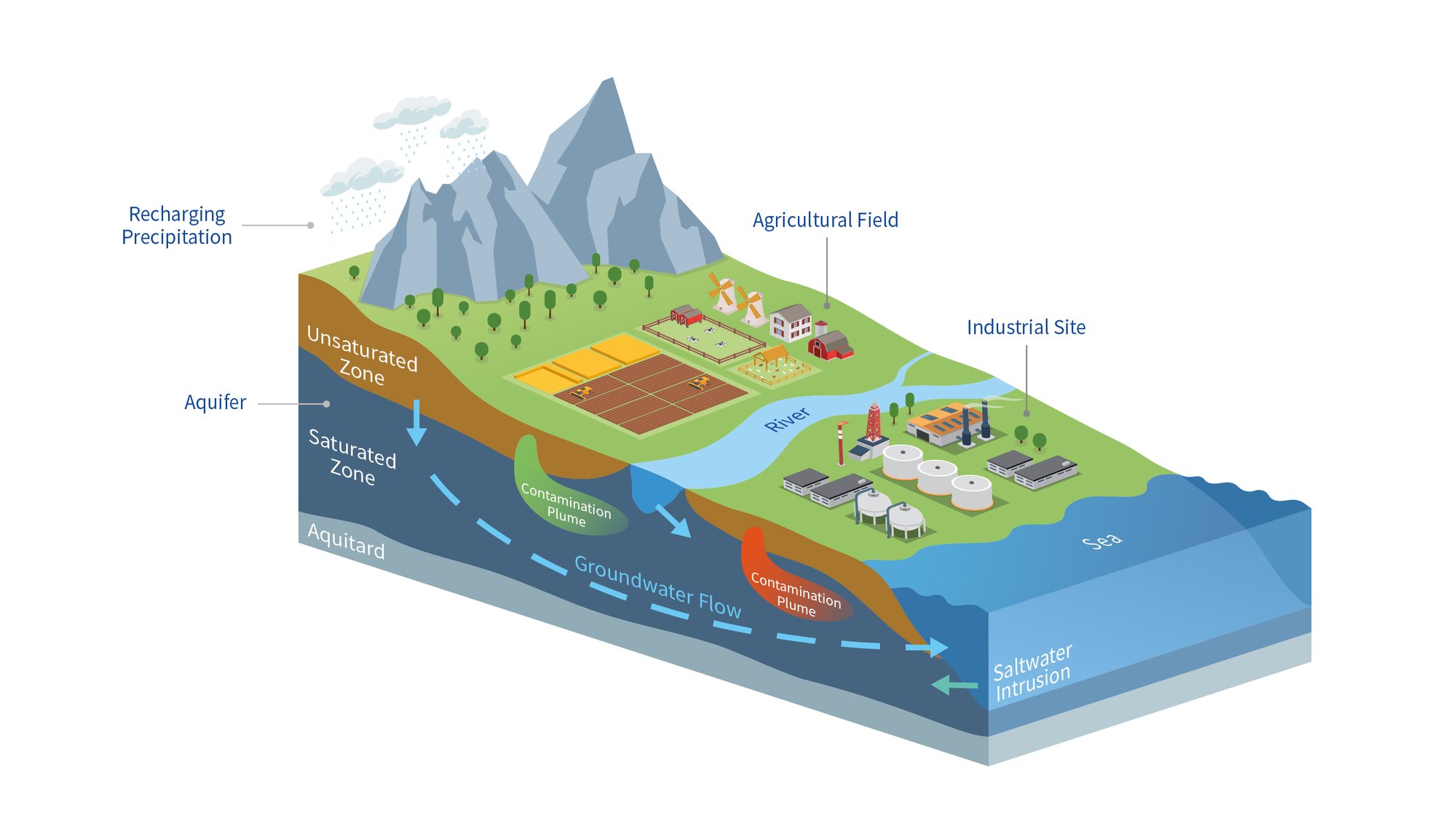
As environmental practitioners, it's easy to forget that science is its own language, but who pays the price when things get lost in translation? A poorly constructed or communicated conceptual site model (CSM) isn't just bad science, it leaves clients exposed, off-site receptors at risk and communities uninformed about the pathways that may affect their health, their property, and their livelihoods.
This presentation discusses what makes a CSM effective and how it's a critical tool for identifying and communicating risk, informing remediation pathways and building trust with the client, regulator and community. By drawing on some of the industry's most costly failures, both in Australia and internationally, Allison will make the case that the gap between what is known and what is communicated is where projects go wrong, where trust breaks down, and how it can lead to financial and reputational damage The science is only as good as the story you tell with it.
Our Speakers
.png?width=945&height=1250&name=Richard%20Campbell.headshot%20(1).png "Richard Campbell.headshot (1)")

Richard Campbell
Managing Director, HydroTerra
Richard Campbell is an entrepreneur with a strong expertise in environmental monitoring, combining a strong understanding of monitoring applications with the capabilities of modern technologies. His early career in geology, hydrogeology and environmental science underpins his work across a wide range of industries.
Richard has built and led HydroTerra into a high-quality monitoring company, supported by skilled engineers, scientists and a strong network of technology partners. His integrated knowledge of applications and technology has enabled the delivery of innovative, automated and cutting-edge monitoring solutions.
Allison Reynolds
Hydrogeochemist | Senior Environmental Consultant
Allison is a Project Hydrogeochemist and Senior Consultant in JBS&G’s Sydney office and works across Contaminated Land, Assessment and Approvals and Environmental Auditing.
Within the contaminated land speciality, Allison’s experience extends across assessment, remediation and monitoring of soil, groundwater, surface water, and sediment issues. She began her career as a uranium geochemist for the US Department of Energy, focusing on groundwater characterisation and remediation at multiple contaminated sites across the United States.
In her time with JBS&G, Allison has assisted with data interpretation, reporting, and field work and sampling design, including several PFAS investigation and remediation projects across Australia. Additionally, she is heavily involved in the training for new graduates, focusing on field sampling methodology and maintaining sample integrity.
If given the chance, Allison will gladly tell you all about her love for environmental tracers (isotopes in particular) and groundwater-surface water interactions. Ideally, while showing you her latest Piper diagram.
Join Our Live Webinar
Why your CSM matters more than you think!
Be part of the session and learn about the following:
-
Science is its own language and when it isn’t clearly translated, critical meaning can be lost
-
When CSMs are poorly developed or communicated they can expose clients to risk, leave off-site receptors vulnerable and fail to inform communities about impacts to health, property, and livelihoods
-
Effective CSMs are essential for identifying and clearly communicating risk, guiding appropriate remediation pathways and
building trust with clients, regulators, and the community. - Real-world industry examples show that problems arise when there is a gap between what is known and what is communicated or when the key risks are misunderstood or overlooked.
- These gaps can lead to project failure and financial and reputational damage
📆 Fri 5th June 2026
🕐 12:30 PM AEDT
🎓 Gain 1 CPD Point for attending this webinar