
WEBINAR
Measuring dust emissions from wind-erodible surfaces
Friday 24th April at 12:30pm
About this Webinar
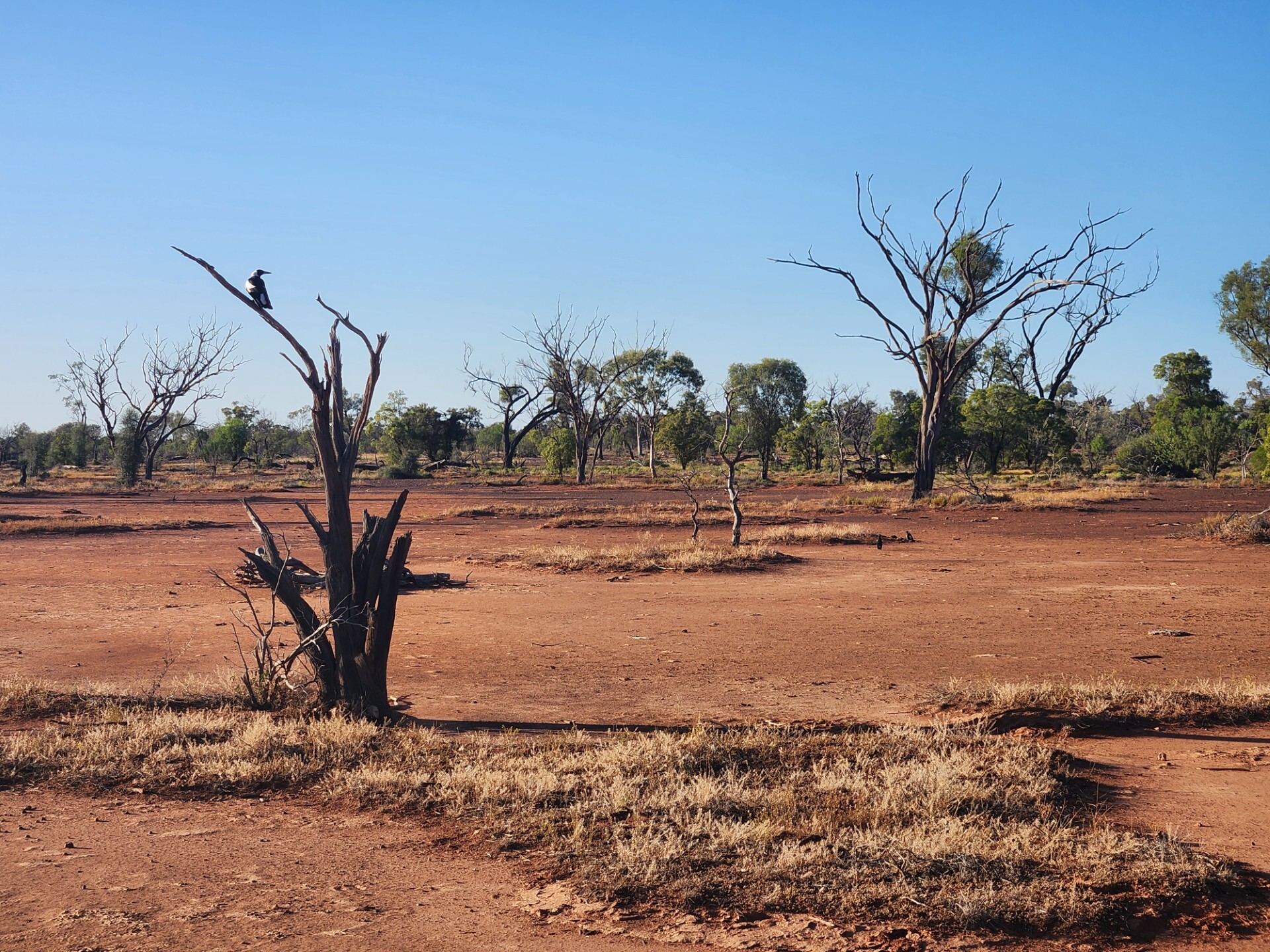
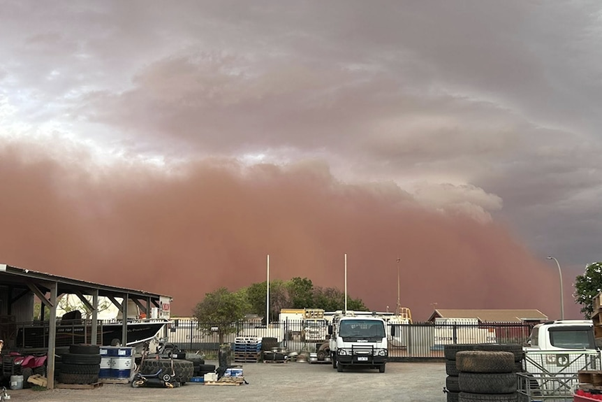
We welcome Dr. Cameron McNaughton from RWDI to share the findings of a field study measuring dust emissions from a mine tailings storage facility (TSF) in remote South Australia. The webinar will review dust emissions from mine tailings, with a focus on the physical mechanisms and a comparison of how emissions are parameterised then modelled, versus how they can be measured directly in the field. The session highlights the first ever use in Australia of a Portable In-Situ Wind ERosion Laboratory (PI-SWERL) and discusses the results of a study designed to evaluate the long-term wind erosion potential of the mine’s TSF materials.
The presentation will cover:
- How material properties of erodible surfaces and mine tailings affect their potential to produce fugitive dust.
- How dust emissions are parameterised and then modelled to assess their potential impacts on human health and the environment.
- In-situ measurements of dust emissions fluxes as a function of wind speed both from natural surfaces and a TSF located in remote South Australia.
- Discussion on the long-term wind erosion potential (>100 years) of the mine’s TSF materials based on the findings of the study.
The webinar will highlight our ability to measure dust emissions fluxes in-situ from undisturbed natural or manmade surfaces, as compared to emission parameterisation in models using empirical equations. For dust-prone areas of arid and semi-arid Australia the use of the PI-SWERL can improve model predictions of the: “if”, “when”, and “how much” dust is emitted.
Our Speakers

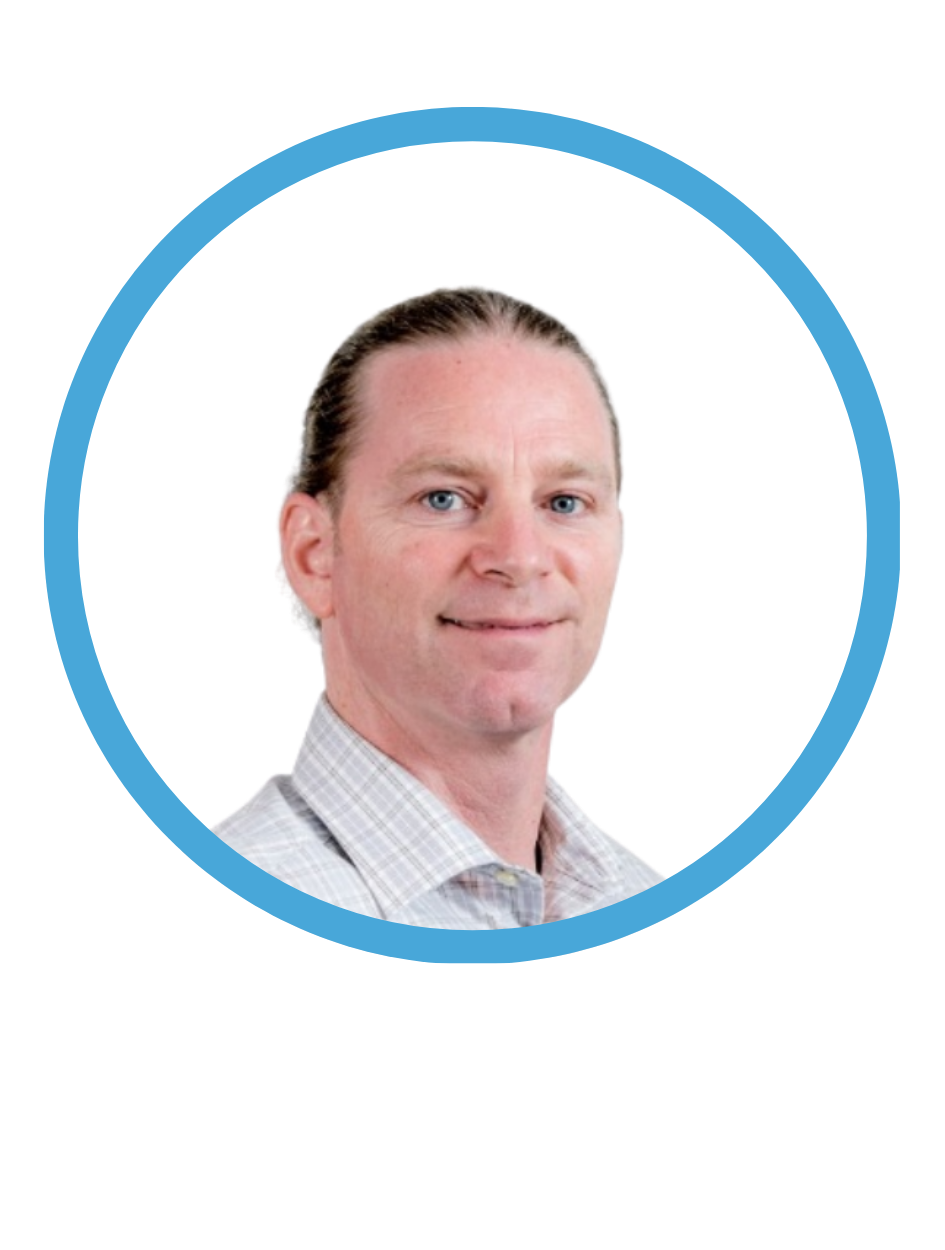
Ruben Andersen
Senior Environmental Scientist, HydroTerra
You could say that Ruben Andersen was born to be an environmental scientist, having been immersed in the ways of field sampling and monitoring from a very young age by his ecologist parents. Prior to joining HydroTerra as a Field Technician, Ruben was an intern with the Victorian EPA Water Sciences Unit before he moved to EcOz and then Charles Darwin University as a Research Assistant.
Ruben now manages various HydroTerra projects including evapotranspiration (ET) cap monitoring. Ruben has a Bachelor of Environmental Science from Monash University and a Master of Environmental Science from the University of Melbourne.
Dr. Cameron McNaughton
Technical Director | Air Quality, RWDI
Dr. McNaughton holds a BASc in Environmental Engineering from the University of Waterloo in Ontario, Canada and an MS and PhD in Oceanography from the University of Hawai`i at Mānoa in Honolulu, Hawai`i. He is a registered/chartered Professional Environmental Engineer in Australia and Canada (SK), a Certified Air Quality Professional with CASANZ, and employed as a Technical Director for Air Quality with RWDI in Melbourne, Australia.
Cameron provides detailed technical expertise on air quality, greenhouse gases and climate change to RWDI’s clients in the energy, infrastructure, and heavy industrial sectors. His experience includes baseline environmental studies for CCUS projects (Rock et al., 2017), geochemical forensics (McNaughton et al., 2019), greenhouse gas and air emissions inventories (Parker et al., 2016; McNaughton et al., 2024), air quality and odour impact assessment and climate change mitigation strategies (e.g., methane and black carbon).
Join Our Live Webinar
Measuring dust emissions from wind-erodible surfaces
Be part of this session and learn about the following:
-
How physical properties of mine tailings and erodible surfaces control dust emissions
-
Comparisons of dust emission modelling approaches with direct, field‑based measurements
-
Australia’s first use of the Portable In‑Situ Wind Erosion Laboratory (PI‑SWERL)
-
how in‑situ measurements quantify dust emissions as a function of wind speed
-
Results from a field study at a remote South Australian tailings storage facility
-
The long‑term wind erosion potential (>100 years) of TSF materials
-
How direct measurement improves predictions of if, when, and how much dust is emitted
📆 Fri 24th April 2026
🕐 12:30 PM AEDT
🎓 Gain 1 CPD Point for attending this webinar