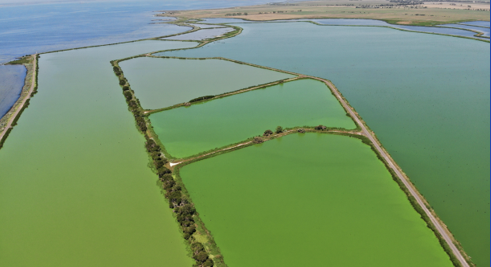
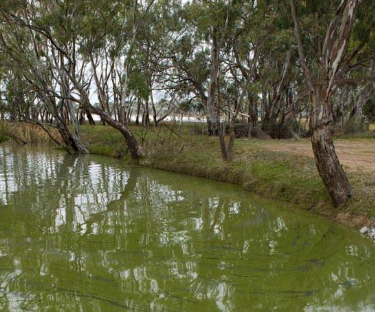
Warm water, elevated nutrients, low flows and stagnant conditions can create the perfect environment for algae and cyanobacteria to multiply. But by the time a bloom is visible at the surface, conditions may have been changing for some time.
So how can we identify the warning signs earlier?
Join Troy and Richard as they explore how satellite remote sensing, contactless monitoring and in-situ water quality sensors can work together to provide greater visibility of changing conditions, from tracking blooms across large water bodies to continuously monitoring individual sites.
Richard and Troy will explain how, when combined, the technologies available create a more informed approach to algae monitoring.
We’ll look at how continuous monitoring can track key indicators including chlorophyll-a, phycocyanin, temperature, dissolved oxygen, pH, conductivity, salinity, turbidity and nutrients, helping identify emerging trends rather than waiting until the next site visit or visible bloom.